
Introduction
When we think of maintaining liver health, most of us turn to strategies like reducing alcohol intake, eating less sugar, or exercising more. However, emerging research has uncovered a surprising ally in the fight against liver disease: soy protein. Found in popular foods like tofu, tempeh, edamame, and soy milk, this plant-based protein is now gaining recognition not just for its role in muscle building or cholesterol control, but also for its powerful potential to protect the liver—especially from conditions like non-alcoholic fatty liver disease (NAFLD).
NAFLD is one of the most common liver disorders worldwide, affecting an estimated 25% of the global population. In Thailand and many other countries with changing diets and increasing obesity rates, its prevalence is rising rapidly. But what if a simple dietary addition like soy protein could help reverse this trend?
This article dives into the science behind soy protein and liver health, exploring how it works, what studies reveal, and how you can incorporate it into your daily diet.
Understanding Non-Alcoholic Fatty Liver Disease (NAFLD)
Before diving into soy, it’s important to understand what fatty liver disease actually is.
NAFLD occurs when excess fat accumulates in the liver cells, not caused by alcohol consumption. It’s commonly linked with obesity, insulin resistance, poor diet, and sedentary lifestyle. Left untreated, it can progress to more severe conditions like non-alcoholic steatohepatitis (NASH), liver fibrosis, cirrhosis, and even liver cancer.
Common Risk Factors:
- Obesity or being overweight
- Type 2 diabetes
- High cholesterol or triglycerides
- Poor dietary habits (high sugar and saturated fat)
- Lack of physical activity
NAFLD often has no symptoms in its early stages, making early prevention and dietary awareness even more crucial.
Soy Protein: What Is It and Where Does It Come From?
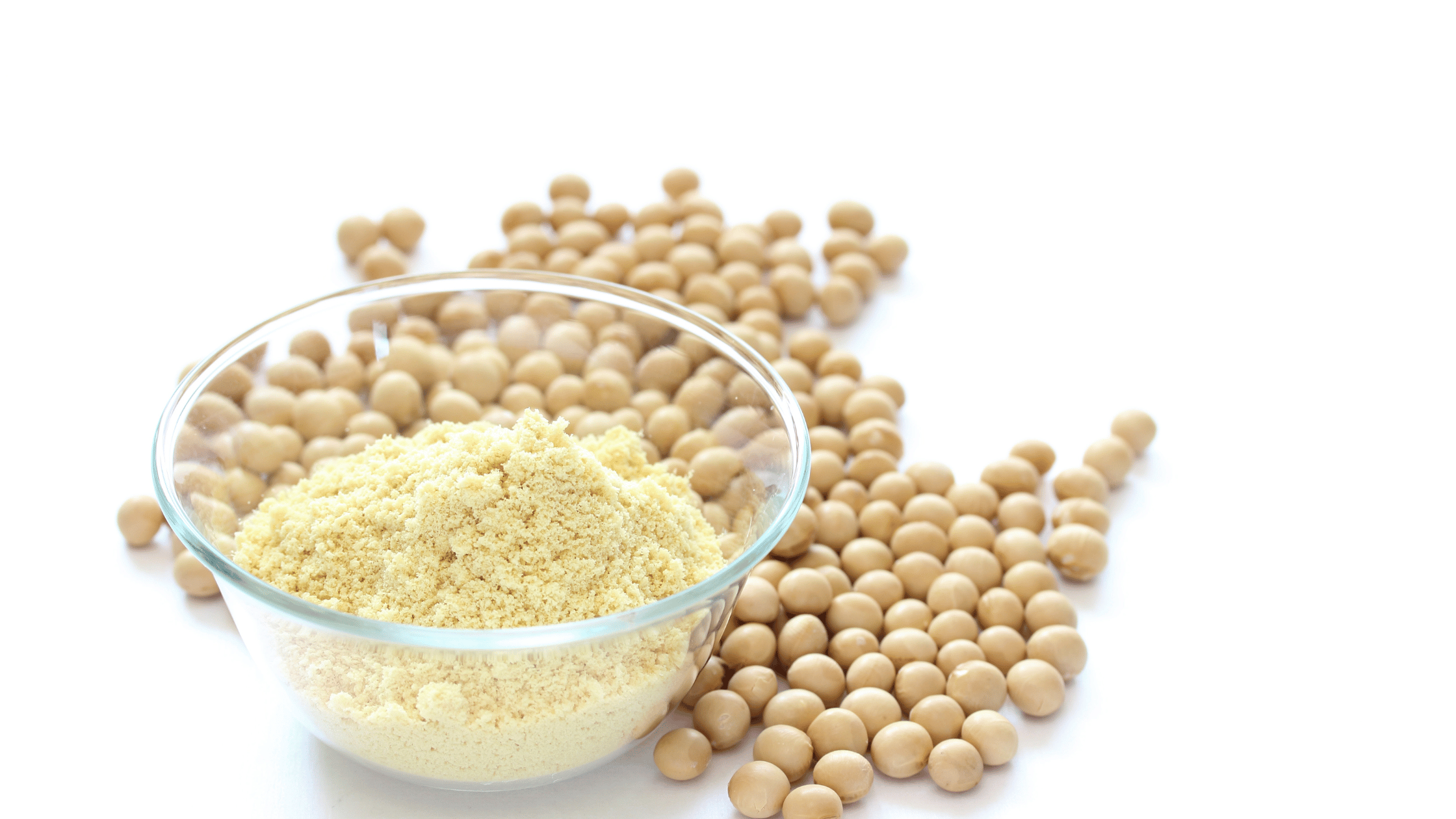
Soy protein is a complete plant-based protein derived from soybeans. It contains all nine essential amino acids and is widely used in vegetarian and vegan diets. There are various forms:
- Soy protein isolate: Highly concentrated, used in protein powders and supplements
- Soy protein concentrate: Found in meat substitutes and packaged foods
- Whole soy foods: Tofu, tempeh, soy milk, edamame
Soy is not just a protein source; it’s also rich in isoflavones, antioxidants, and bioactive compounds that play roles in cholesterol control, hormone balance, and now, liver function.
How Soy Protein Supports Liver Health
1. Reduces Liver Fat Accumulation
One of the most significant effects of soy protein on liver health is its ability to reduce hepatic fat storage. Research has shown that replacing animal-based protein (such as red meat) with soy protein can lead to a significant decrease in liver fat levels.
Scientific Insight:
A study published in the Journal of Nutrition found that rats fed a high-fat diet supplemented with soy protein had 45% less liver fat than those fed casein (a dairy protein). This was linked to the modulation of genes involved in fat metabolism.
2. Improves Lipid Metabolism
Soy protein helps regulate lipid metabolism, which is crucial in preventing fat buildup in the liver. It does so by:
- Lowering LDL (bad cholesterol)
- Increasing HDL (good cholesterol)
- Decreasing triglyceride levels
These improvements contribute to less fat being transported and deposited into liver cells, thereby lowering the risk of NAFLD.
3. Anti-Inflammatory and Antioxidant Effects
Inflammation and oxidative stress play major roles in the progression of fatty liver to more serious liver conditions. The isoflavones in soy, such as genistein and daidzein, have strong antioxidant properties that help:
- Reduce liver inflammation
- Lower oxidative stress markers
- Improve insulin sensitivity (another key factor in NAFLD)
This makes soy not only beneficial for prevention, but also potentially helpful in reversing early liver damage.
4. Supports Weight and Blood Sugar Management
Because obesity and insulin resistance are major contributors to fatty liver disease, soy’s role in weight control and glucose regulation is another layer of protection.
Multiple clinical studies have found that individuals who consume soy protein regularly show:
- Lower body mass index (BMI)
- Reduced waist circumference
- Better fasting blood sugar and insulin levels
These benefits further reduce the metabolic pressures that promote fat storage in the liver.
Key Studies Supporting the Soy-Liver Link
- University of Illinois (2011) – Researchers showed that soy protein reduced triglyceride accumulation in liver cells by modulating key enzymes and improving fat breakdown.
- Iranian Clinical Trial (2019) – NAFLD patients given soy protein isolate showed reduced liver enzyme levels (ALT and AST), improved liver ultrasound scores, and reduced body weight after just 8 weeks.
- Japanese Study (2020) – A diet rich in tofu and soy milk was associated with lower incidence of NAFLD among middle-aged adults, especially women.
These studies reinforce the idea that a simple dietary shift—replacing some animal protein with soy—could have measurable, positive effects on liver health.
How to Incorporate Soy Protein Into Your Diet
You don’t have to be vegetarian to benefit from soy. Here are easy ways to add soy protein to your meals:
✅ For Breakfast:
- Soy milk smoothie with fruits and oats
- Tofu scramble instead of eggs
- Soy protein powder in overnight oats
✅ For Lunch or Dinner:
- Grilled tempeh or tofu in salads
- Stir-fried vegetables with soy protein strips
- Miso soup or soy-based broths
✅ For Snacks:
- Roasted edamame
- Soy yogurt
- Protein bars made with soy isolate
Are There Any Risks or Side Effects?
Soy protein is safe for most people. However, a few considerations include:
- Allergies: Soy is one of the top 8 allergens. Those with soy allergies must avoid it.
- Estrogen concerns: Isoflavones are plant-based estrogens but are far weaker than human estrogen. Moderate soy intake has not been shown to disrupt hormone levels in healthy individuals.
- Processed soy products: Avoid highly processed soy with additives or artificial ingredients—stick with whole or minimally processed options.
As always, consult a doctor or dietitian before making major dietary changes, especially if you have pre-existing health conditions.
Conclusion
The link between soy protein and liver health may seem surprising, but it’s well-supported by scientific research. With its ability to reduce liver fat, improve cholesterol levels, combat inflammation, and support metabolic health, soy protein is emerging as a valuable nutritional tool in preventing and managing fatty liver disease.
As liver disease rates continue to rise globally, especially in countries with high obesity and diabetes prevalence, incorporating natural, plant-based foods like soy into our diets becomes more important than ever. Whether you’re aiming to prevent liver issues or support recovery, soy protein can be a simple, effective addition to a liver-friendly lifestyle.